
Understanding Lato Sensu: A Comprehensive Guide
This article delves into the concept of "Lato Sensu," an academic term used to describe postgraduate courses that focus on professional specialization. Often contrasted with "Stricto Sensu," which denotes more research-oriented programs, Lato Sensu provides practical insights and skills for career advancement in various fields.
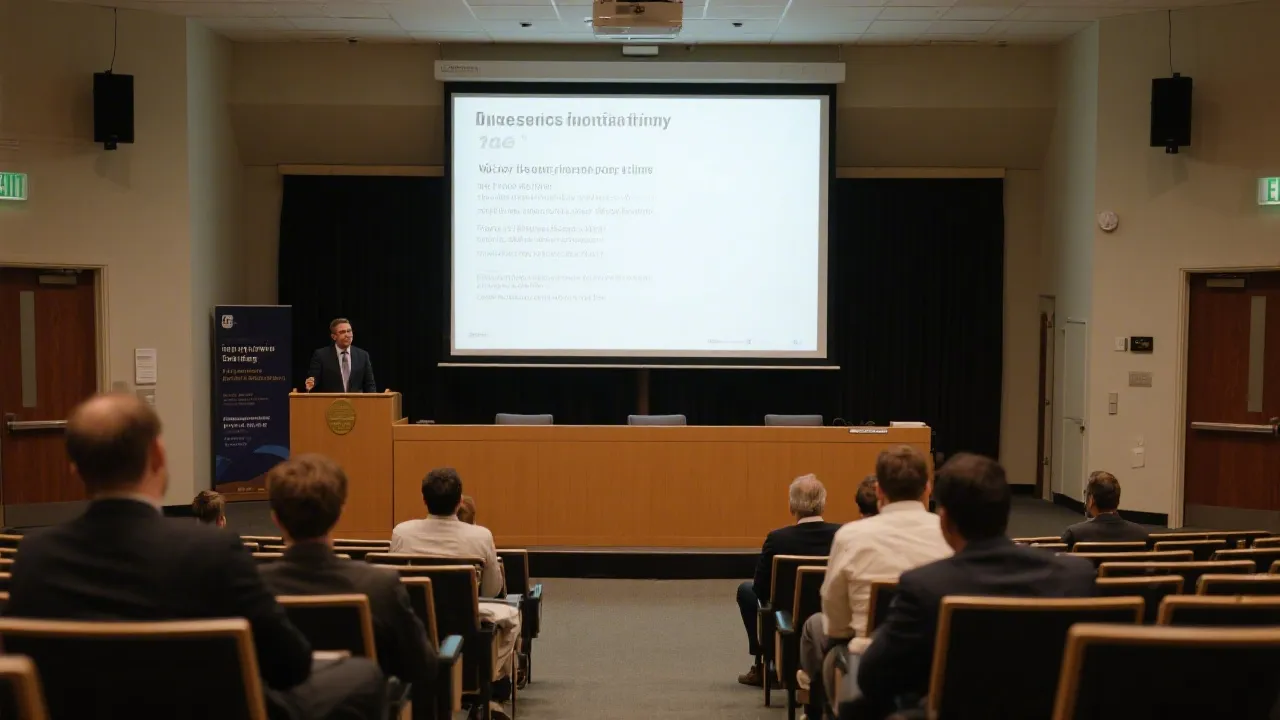
Exploring the Concept of Lato Sensu
The term "Lato Sensu" is particularly significant in the realm of higher education, denoting a category of postgraduate courses designed to offer specialization in specific professional fields. In contrast to "Stricto Sensu" programs, which are more research and academically focused, Lato Sensu programs aim to provide professionals with the practical skills and knowledge necessary for career advancement and industry expertise. This distinction is pivotal across various educational systems, particularly in Latin America and several other countries, shaping the academic and professional landscape significantly.
Main Characteristics of Lato Sensu
Lato Sensu courses are generally structured to be shorter than traditional graduate programs, often ranging from a few months to two years. These courses are known for their pragmatic approach, focusing on applied skills rather than theoretical research. As such, they cater primarily to individuals looking to enhance their expertise in areas directly relevant to their careers. Many Lato Sensu programs are tailored to meet the specific needs of industries, ensuring that the curriculum is responsive to the latest advancements and challenges within those sectors.
These programs often emphasize experiential learning, incorporating simulations, practical case studies, and project-based assessments. This hands-on nature allows students to apply theoretical knowledge to real-world problems, bridging the gap between academia and practice. In addition, networking opportunities are frequently integrated into the curriculum, providing students with access to industry professionals, which can greatly enhance their employability post-graduation.
Lato Sensu vs. Stricto Sensu: Key Differences
The very evident distinction between Lato Sensu and Stricto Sensu lies in their academic orientation. Lato Sensu courses are more practice-oriented, involving case studies, workshops, and hands-on projects, while Stricto Sensu programs, which include master's and doctoral degrees, emphasize theoretical frameworks and research methodologies. This fundamental difference affects not only the structure of the programs but also the expectations of students and graduates alike.
Stricto Sensu programs, for example, typically require robust research components, culminating in the production of a thesis or dissertation that contributes new knowledge to the field. This research-focused approach attracts students who are intent on pursuing academic careers or high-level positions in research and development. In contrast, Lato Sensu graduates may find themselves occupying roles that prioritize application and implementation over research, filling crucial operational and managerial positions within organizations.
| Aspect | Lato Sensu | Stricto Sensu |
|---|---|---|
| Focus | Professional skills and specialization | Research and theory |
| Duration | Shorter, often 1-2 years | Longer, often 2-5 years |
| Outcome | Certification or diploma | Master's or doctoral degree |
| Target Audience | Professionals seeking specialization | Academics and researchers |
| Curriculum Design | Industry-focused, practical approach | Theory-driven, research methodology |
| Career Impact | Immediate applicability in the job market | Preparation for academic and research roles |
Lato Sensu and Its Impact on Career Development
One of the prominent advantages of Lato Sensu courses is their direct applicability to the workforce. Graduates of these programs often find themselves better equipped to tackle the demands of their respective industries. The curriculum is designed in collaboration with industry experts, ensuring that the skills acquired meet current market needs and future trends. This responsiveness to the evolving demands of the job market is a crucial factor that distinguishes Lato Sensu programs.
Moreover, these programs often incorporate mentorship opportunities where students can connect with professionals who guide and support them through their learning journey. This mentorship not only helps students gain insight into the nuances of their chosen fields but also fosters valuable networking connections, which can be instrumental in job placements and career advancements.
Additionally, Lato Sensu courses encourage students to engage in continuous professional development. Many programs include modules on soft skills, such as leadership, communication, and teamwork, which are essential for success in any professional environment. By focusing on a well-rounded skill set that includes both technical and interpersonal competencies, graduates are often more competitive in the job market.
The Importance of Choosing the Right Institution
When considering a Lato Sensu course, the choice of institution plays a crucial role in the value of the education received. Acclaimed universities and specialized institutions often offer the top programs that are well recognized in both national and international job markets. Prospective students should assess various factors, including faculty expertise, course content, and the institution’s industry connections.
Additionally, it is vital to consider the reputation of the institution within the specific field of study. Institutions with strong ties to industry leaders are often able to provide students with unique opportunities, such as internships, guest lectures from industry practitioners, and collaborative projects that further enhance the learning experience. Such connections can lead to greater employability and can set graduates apart in a competitive job market.
Another aspect to consider is the location of the institution. Being situated in a major urban center or a hub of the industry can provide significant advantages, such as access to a broader network of professionals and potential employers. Local industry partnerships may also enrich the curriculum through real-world projects and case studies, which are integral to Lato Sensu programs.
FAQs about Lato Sensu
- What is the primary purpose of Lato Sensu programs? These programs aim to provide industry-specific education that enhances professional skills and can lead to better job prospects. They focus on equipping individuals with the requisite knowledge and competencies needed for career growth.
- How are Lato Sensu programs delivered? They are typically offered as part-time courses, enabling professionals to continue working while studying. This flexibility is a significant attraction for many students who wish to balance their education with their existing professional commitments.
- Are Lato Sensu qualifications recognized internationally? Recognition can vary; it's advisable to check with potential employers or relevant professional bodies concerning the acceptance of specific qualifications. Understanding the international context of the qualification can aid students in making informed decisions about their education and future career paths.
- Do Lato Sensu programs include internships? Some programs may include practical internships or projects that provide real-world experience. Such components are crucial for applying theoretical knowledge in practical situations, thereby enhancing learning outcomes and employment prospects.
- What types of specialization can be pursued through Lato Sensu programs? Lato Sensu programs cover a wide range of specializations across various disciplines, including but not limited to finance, marketing, healthcare, education, and information technology. These specializations allow professionals to tailor their education to their career interests and industry demands.
Conclusion
Lato Sensu offers an invaluable educational pathway for individuals seeking to deepen their expertise and enhance their career opportunities. Its focus on practical application ensures that graduates are well-prepared to meet the dynamic demands of various industries. As the global market continues to evolve, the role of such specialized courses in professional development is likely to grow even more significant. Moreover, as industries increasingly prioritize agility and adaptability, the importance of education models like Lato Sensu, which readily respond to these needs, will become paramount.
Future trends suggest a potential increase in the hybridization of education formats, integrating more online and blended learning methodologies into Lato Sensu courses. This evolution could allow for even greater accessibility and flexibility, accommodating a wider array of professionals seeking higher education alongside work commitments. Additionally, as globalization continues to reshape industries and labor markets, Lato Sensu programs may increasingly adopt international perspectives and partnerships, further enhancing their relevance and appeal to a diverse global student population.
In summary, whether you are an aspiring professional aiming for specialization or a seasoned expert looking to upskill, Lato Sensu courses provide a practical and effective means of achieving your career goals. By understanding the landscape of such programs, including their structure and impact, you are better equipped to make informed decisions that will enhance your personal and professional development in a rapidly changing world.