
Understanding Lato Sensu Programs
Lato Sensu courses are specialized educational offerings in higher education that provide targeted skills and knowledge. These programs are prevalent across Latin America and are designed for professionals seeking expertise in specific fields. They are distinct from Stricto Sensu programs, which are more research-oriented, emphasizing practical applications and industry relevance.
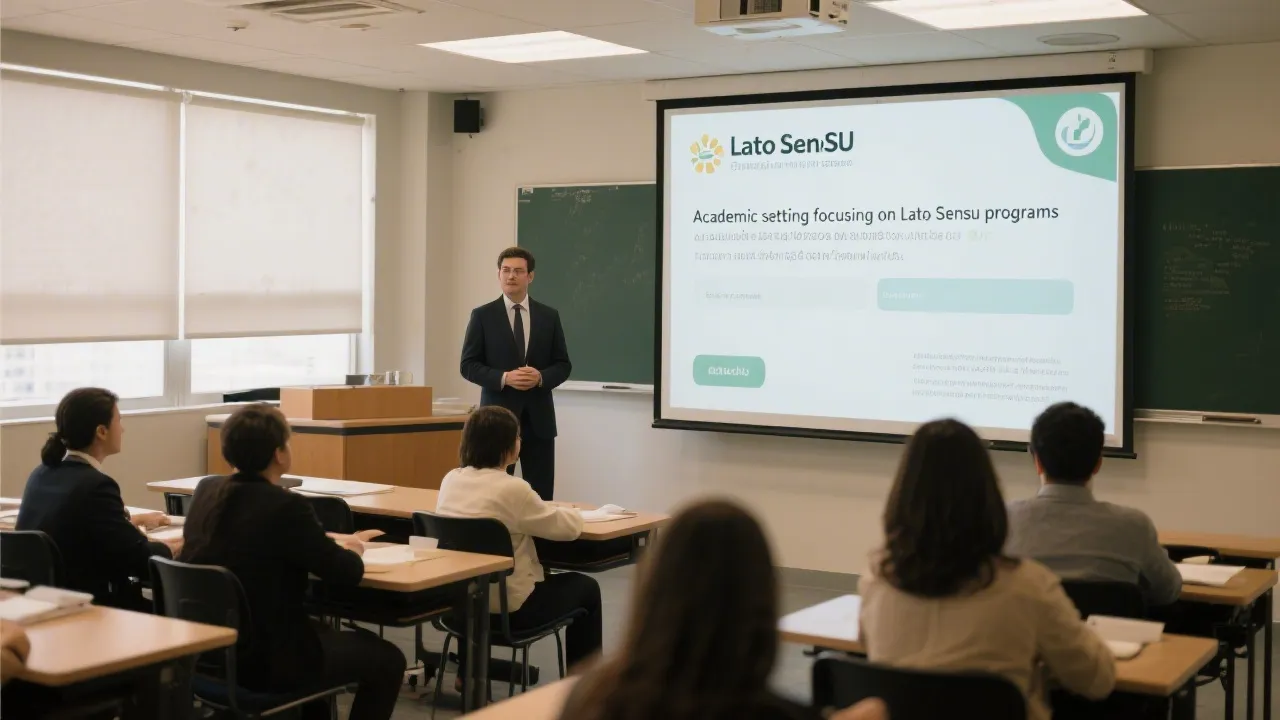
Introduction to Lato Sensu Programs
Lato Sensu programs stand as a cornerstone of higher education for professionals seeking to advance their knowledge in specific domains. Primarily offered in Latin America, these programs are vital for individuals aiming to enhance their practical expertise and industry skills. Unlike Stricto Sensu programs, which are more academically and research-focused, Lato Sensu courses prioritize real-world applications and are oriented towards professional development. This emphasis on pragmatic learning ensures that graduates leave with the competencies necessary to tackle contemporary challenges in their respective fields.
Defining Characteristics of Lato Sensu
Derived from the Latin term meaning "in the broad sense," Lato Sensu encompasses a range of specialized programs designed to provide comprehensive insights into particular sectors. They are particularly appealing to professionals who aim to deepen their understanding without delving into extensive research or preparing for an academic career. The curriculum in Lato Sensu programs combines theoretical knowledge with practical skills, fostering an environment that encourages interactive learning and application of concepts in real-world scenarios. This approach enables participants to immediately implement what they have learned, enhancing their value within their organizations.
The Growing Popularity of Lato Sensu Programs
In recent years, there has been an upsurge in the demand for Lato Sensu programs. This trend is fueled by the ever-evolving job market and the need for lifelong learning to maintain a competitive edge. As industries evolve, so too must the skillsets of professionals, making these programs invaluable for continuous education. The rapid advancement of technology and the globalization of markets have created a heightened urgency for individuals to reskill and upskill, and Lato Sensu programs offer tailored solutions to address these needs effectively. Furthermore, the demographic shifts in the workforce, including the increasing number of professionals transitioning mid-career, have contributed to the rise in enrollment in these programs, as they seek targeted knowledge that can facilitate career advancement and personal growth.
Comparative Analysis: Lato Sensu vs. Stricto Sensu
| Aspect | Lato Sensu | Stricto Sensu |
|---|---|---|
| Focus | Practical and professional development | Academic research and theoretical study |
| Duration | Usually shorter, around 1-2 years | Typically longer, spanning several years |
| Culmination | Certificate of specialization | Master's or doctoral degree |
| Learning Methodology | Hands-on, case studies, industry-focused projects | Classical theoretical frameworks, dissertations, extensive examinations |
| Target Audience | Working professionals, newcomers in specific fields | Individuals aiming for academic or research-focused careers |
Why Choose Lato Sensu?
Professionals may opt for Lato Sensu programs for several reasons. First, the adaptability of these programs allows them to focus on the latest trends and technologies pertinent to their field. The curriculum often reflects the current demands and expectations of employers, ensuring that participants acquire applicable skills that enhance their employability. Second, the structure is often more flexible, catering to working professionals who need to balance career advancement with other commitments. Many Lato Sensu programs offer evening or weekend classes and online options, making it feasible for students to integrate their studies into busy schedules. Additionally, the networking opportunities presented through these programs can be invaluable; students often interact with industry leaders, gaining insights and professional connections that can lead to future job opportunities.
Industry Relevance and Curriculum Design
Lato Sensu curricula are meticulously designed to align with industry standards and expectations. This relevance ensures that participants gain skills and knowledge that are immediately applicable in their professional environment. Many programs collaborate with industry experts and organizations to continuously update their course offerings, responding proactively to changes in the job market and technological advancements. As industries continue to face disruptions and transformations, Lato Sensu programs offer critical pathways for re-skilling and up-skilling. For example, fields such as Information Technology frequently incorporate modules on new programming languages, cybersecurity measures, and agile project management, reflecting the rapid pace of change in the tech world. This ensures that graduates are not only knowledgeable but also effective leaders in increasingly integrated and diversified workplaces.
Common Fields and Specializations
While Lato Sensu courses cover a broad spectrum, some of the most popular fields include Business Administration, Information Technology, Human Resources, Marketing, and Healthcare Management. Each specialization addresses specific needs within its industry, equipping participants with advanced skills relevant to current and future job markets. Within Business Administration, for instance, students may focus on specialized areas such as entrepreneurship, project management, or supply chain management. In Information Technology, emerging topics such as data analytics, cloud computing, and artificial intelligence are commonly highlighted, preparing students to meet the demands of modern IT roles. Similarly, Healthcare Management programs address issues related to healthcare policies, patient management systems, and the ethical implications of medical practices, preparing graduates to lead in a complicated and ever-changing healthcare landscape. Furthermore, as globalization continues to impact various sectors, many Lato Sensu programs are beginning to incorporate cross-cultural competency training, allowing professionals to navigate increasingly diverse and international environments effectively.
Global Perspectives on Lato Sensu Programs
While Lato Sensu programs are predominantly recognized within Latin America, their principles and practices are gaining traction globally. Countries across North America, Europe, and Asia are beginning to adopt similar models of professional-oriented education, focusing on bridging the gap between academic learning and real-world application. In Europe, for example, institutions have developed postgraduate certifications that mimic the flexibility and industry recognition of Lato Sensu programs, catering to the growing demand for professional development opportunities among mid-career professionals. In Asia, countries such as Singapore and Malaysia are emphasizing skills development through focused short courses and diplomas, reflecting a shift towards practical training over traditional academic education.
Frequently Asked Questions
- What is the typical duration of a Lato Sensu program? - Most Lato Sensu programs last between one and two years, providing a structured yet flexible learning experience.
- Who are these programs designed for? - They are aimed at professionals seeking to enhance their skills in a particular field without committing to a long-term, research-based academic program, making them suitable for both emerging professionals and seasoned executives.
- Do these programs offer any form of certification? - Yes, participants typically receive a certificate upon completion, certifying their specialized training and enhancing their credentials in the job market.
- How are Lato Sensu programs different from other postgraduate courses? - Unlike research-focused Stricto Sensu courses, Lato Sensu programs are practical, directly catering to industry needs and emphasizing skill application over theoretical knowledge. This key difference is fundamental to understanding the growing popularity of these programs.
- Are Lato Sensu programs recognized internationally? - Recognition can vary by country and institution. However, many Lato Sensu programs are designed to adhere to international standards, making them increasingly recognized by employers across borders.
- What types of industries benefit from graduates of Lato Sensu programs? - Virtually every industry can benefit from the practical skills developed in Lato Sensu programs, including technology, finance, healthcare, education, and marketing, to name a few. The versatility of these programs means that graduates often find opportunities across diverse sectors.
Conclusion: The Future of Lato Sensu Education
As global markets continue to transform at unprecedented rates, the role of Lato Sensu educational offerings becomes increasingly crucial. The integration of technology into nearly every sector demands professionals who are not only skilled but also adaptable to change. These programs not only enable professionals to remain competitive but also empower them to drive innovation within their sectors. The growing emphasis on lifelong learning reinforces the importance of Lato Sensu curricula, particularly as new challenges emerge in the workforce. The flexibility and industry orientation of Lato Sensu studies make them an essential component of modern education strategies, paving the way for a more skilled and adaptable workforce. Moreover, the evolution of Lato Sensu into a globally recognized format leads to greater opportunities for professionals, making these programs a vital investment in one’s career journey, equipping individuals to thrive in an ever-changing economic landscape.