Understanding the Role of Bishamon
Bishamon, revered in Japanese culture as one of the Seven Lucky Gods, is a symbol of protection and prosperity. This legendary figure is depicted as a warrior cladded in armor, holding a spear and a miniature pagoda, embodying not only martial prowess but also the protection of valuables and material blessings. This article explores Bishamon's historical significance and cultural impact, providing insight into how his legacy continues to influence various aspects of life and spirituality.
Introduction to Bishamon
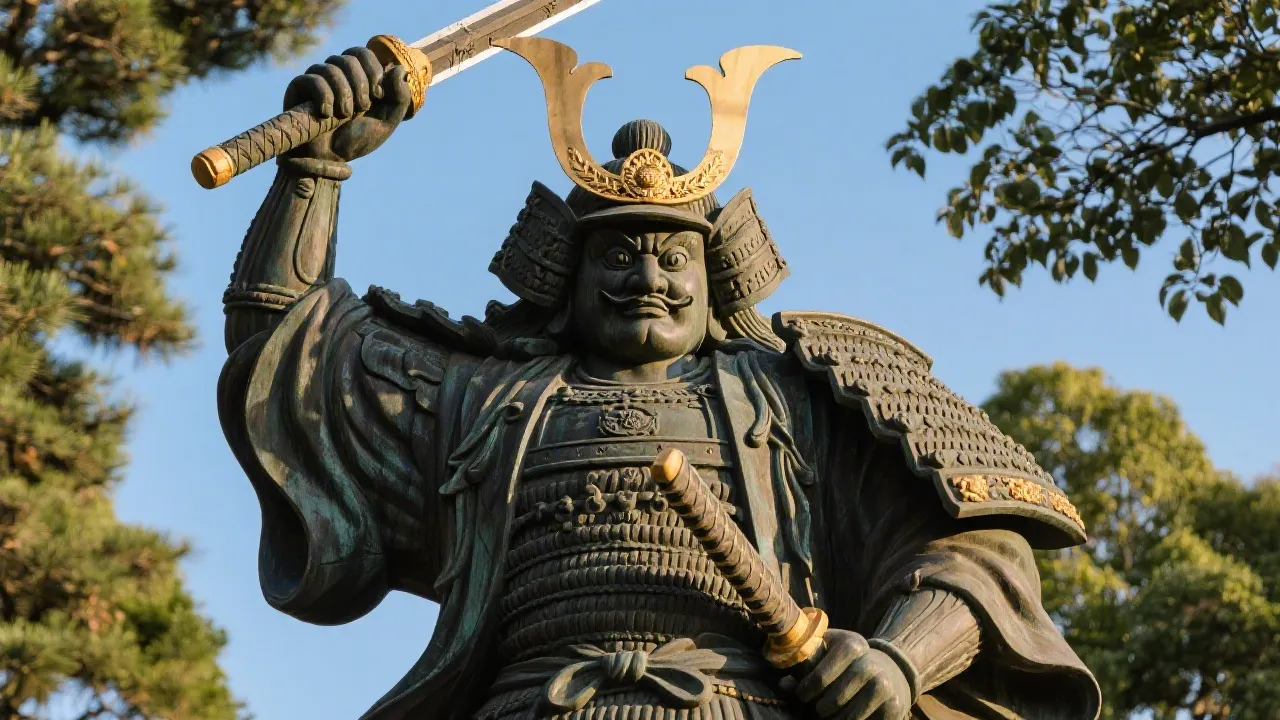
Bishamon, also known as Bishamonten, holds an esteemed place in Japanese mythology as one of the Seven Lucky Gods. This deity is often depicted as a fierce warrior, donning a suit of armor, wielding a spear, and holding a miniature pagoda. Such iconography underscores his role as a protector of the righteous and a defender against evil forces. Originating from Indian mythology as Vaisravana, Bishamon's journey into Japanese folklore has seen his attributes blend harmoniously with distinct cultural values, forming a unique patron of fortune and protection. Through this understanding of Bishamon's roots, we can delve into not just his characteristics, but also the cultural and spiritual significance he holds in the hearts of many.
Historical Background and Significance
Tracing back to his origins, Bishamon emerged from Buddhist beliefs, where he is considered a guardian of the north in the Buddhist pantheon. His significance spread across Asia, notably in Japan, where he absorbed local beliefs and evolved into a symbol of warrior nobility and prosperity. The veneration of Bishamon in Japanese temples usually involves rituals that invite wealth and ward off misfortune, showcasing his dual nature as both a martial figure and a benefactor of wealth. As the protector of treasures, he plays a crucial role in safeguarding the well-being of communities, making him a key figure in both religious and societal contexts.
During the Heian period (794-1185), the worship of Bishamon gained momentum as the samurai class began to rise in power. Bishamon was embraced as a patron deity by warriors, who deemed his strength and martial prowess essential for their success in battle. The samurai viewed themselves as his chosen protectors, and temples dedicated to Bishamon proliferated, with practices centered around invoking his blessings for victory and wealth. This connection between warrior culture and Bishamon is often reflected today in various martial arts schools, where his image is venerated at dojos.
| Aspect | Details |
|---|---|
| Symbols | The spear represents martial prowess, while the pagoda denotes protection and safe-keeping of treasures. |
| Festivals | Bishamon is celebrated during certain Japanese festivals, such as the New Year, where his protective role is invoked through various traditional practices. |
| Influence | The worship of Bishamon influences various cultural practices, including arts, literature, and is reflected in several Japanese temples dedicated to him. |
Cultural Significance Across Regions
Bishamon's influence is not confined to Japan. His legacy can also be traced back to various regions of Asia due to the spread of Buddhism. In regions such as China, he is known as "Zheng Yao" or "Wealth God," representing similar attributes of fortune and protection. This regional adaptation illustrates the versatility and universal appeal of his character transcending cultural barriers. The exchange of ideas along the Silk Road, coupled with the spread of Buddhism, has allowed the image of Bishamon to evolve, maintaining consistent themes while adopting local values and customs.
In addition to his martial associations, Bishamon is also revered as a deity of wealth and prosperity in various Asian cultures. This dual representation highlights the multifaceted nature of his persona, which resonates deeply within the socio-economic fabric of societies that venerate him. Families often have images or talismans of Bishamon in their homes or businesses, seeking his blessings for both physical and spiritual wealth. This integration into daily life demonstrates the lasting impact of Bishamon, not just within religious circles, but in the general cultural ethos.
Cultural Impact and Modern-Day Worship
Beyond historical anecdotes, Bishamon's influence pervades modern Japan through art, festivals, and even in commerce, where invoking his name is considered a charm for success and longevity. His warrior-like attributes are appreciated as a symbol of perseverance, courage, and the undying struggle for justice, making him relevant in contemporary society for both spiritual and practical purposes. Numerous artworks featuring Bishamon illustrate not only his idealized strength but also deeper themes of protection and the moral responsibilities of those in power.
Contemporary artists continue to draw inspiration from Bishamon, depicting him in diverse styles ranging from traditional to modern interpretations. In sculptures, Bishamon retains his armored form, showcasing intricate details and artistry that reflect his status as a divine protector. Meanwhile, in digital art and anime, Bishamon's character has been reimagined, appealing to younger audiences while maintaining core aspects of his traditional attributes. This flexibility in representation allows his mythology to remain vibrant and relevant, resonating with a new generation.
Moreover, Bishamon finds a unique space in the realm of festivals, particularly New Year celebrations in Japan, where families gather to honor and pray for prosperity in the coming year. During these festivities, Shinto shrines and Buddhist temples overflow with visitors seeking blessings from Bishamon. Rituals include offerings of food and sake, accompanied by traditional prayers that highlight gratitude and a desire for protection against misfortunes. This communal aspect of worship reinforces societal cohesion, allowing people to celebrate not only their individual hopes for wealth but also a collective aspiration for community well-being.
Frequently Asked Questions
1. What makes Bishamon a unique deity among the Seven Lucky Gods?
Bishamon combines elements of martial strength and economic prosperity, which makes his patronage versatile and appealing to those seeking protection and wealth. His character encapsulates the ideals of bravery and success, making him a favored figure among both warriors and merchants alike.
2. How is Bishamon commonly depicted in art?
He is typically shown as an armored figure, often with a fierce expression, holding a spear and a miniature pagoda, symbolizing his dual roles as a protector in battle and a guardian of treasures. Many artists also emphasize his strength and resolute demeanor in various stylistic interpretations, linking his physicality with the ideals of dignity and power.
3. Are there specific places where Bishamon's presence is more prominent?
Yes, several temples across Japan, such as Kyoto's Kurama-dera, and the famous Kinkaku-ji, are dedicated to him, showcasing his significance in local spiritual practices. These temples often feature specific rituals and festivals celebrating Bishamon, attracting worshippers and tourists alike, illustrating his ongoing cultural relevance.
4. Can non-Buddhists appreciate Bishamon's role?
Certainly, Bishamon's attributes of protection and success are universal themes that resonate beyond religious confines, appealing to anyone interested in cultural mythology and history. His ideals foster appreciation not just from those practicing Buddhism, but from all who seek inspiration from stories of valor and resilience.
5. Has Bishamon influenced any modern media or popular culture?
Absolutely, his image and stories have appeared in various forms of entertainment, including movies, manga, and anime, reflecting his ingrained presence in Japanese cultural consciousness. Numerous stories depict Bishamon not solely as a deity but as a character involved in heroic quests, adventure, and challenging moral dilemmas.
Role of Bishamon in Popular Culture
In recent years, Bishamon has made his way into various facets of popular culture, enriching narratives and expanding his reach among younger audiences. For instance, in anime and gaming, Bishamon appears as a character choice or a backdrop that represents themes of heroism, morality, and the relentless pursuit of justice. For example, in the popular anime series "Nioh," Bishamon is portrayed with attributes that resonate well with the themes of conflict and duty. His character often mirrors the inner struggles of the protagonists, showcasing the complexities of moral choices faced in dire circumstances.
The exploration of Bishamon’s character has also led to a resurgence of interest in Japanese folklore and mythology, encouraging a deeper examination of cultural heritage. With the rise of media focused on fantasy narratives intertwined with historical elements, Bishamon serves as an ideal character through whom stories about bravery, protection, and the clash between good and evil can be explored. This fosters a greater awareness and appreciation of traditional beliefs among both Japanese audiences and international fans who seek to understand the cultural significance behind these mythological figures.
Contemporary Interpretations and Adaptations
Bishamon's narratives continue to be adapted and interpreted through modern lenses, allowing the essence of his myth to be preserved while being adapted to contemporary issues. For instance, themes of social justice resonate strongly with Bishamon's story; his image has become synonymous with the fight against injustice and the valor of those who protect the weak. Many community initiatives in Japan, leveraging his identity, seek to address social issues and advocate for the welfare of marginalized groups, reinforcing his status as a protector who transcends time.
In this sense, Bishamon's mythology is not only maintained but enriched as it adapts to modern times. Workshops and cultural festivals that celebrate traditional arts often feature Bishamon, linking the past with the present. Young artists reinvent his image, drawing inspiration from his stories, thus preserving the lore while offering fresh narratives that reflect contemporary ideologies and challenges.
Conclusion
Bishamon's enduring legacy as both a protector and a bringer of wealth continues to be relevant today. His portrayal in temples, art, and popular culture underscores the multifaceted aspect of Japanese spirituality, bridging historical narratives with contemporary cultural expressions. Whether through veneration in temples or depictions in modern storytelling, Bishamon remains an indomitable figure symbolizing protection and prosperity. These ongoing adaptations not only reaffirm his importance within Japanese culture but also broaden the understanding of his character to audiences worldwide, encouraging exploration into the rich tapestry of belief systems and cultural mythology.